Meet the Centre: Oxford University Hospital
October 29, 2026
Founded in 2001, the Oxford MND Centre at Oxford University Hospitals has grown into one of the United Kingdom’s leading hubs for motor neuron disease (MND) research and patient care.
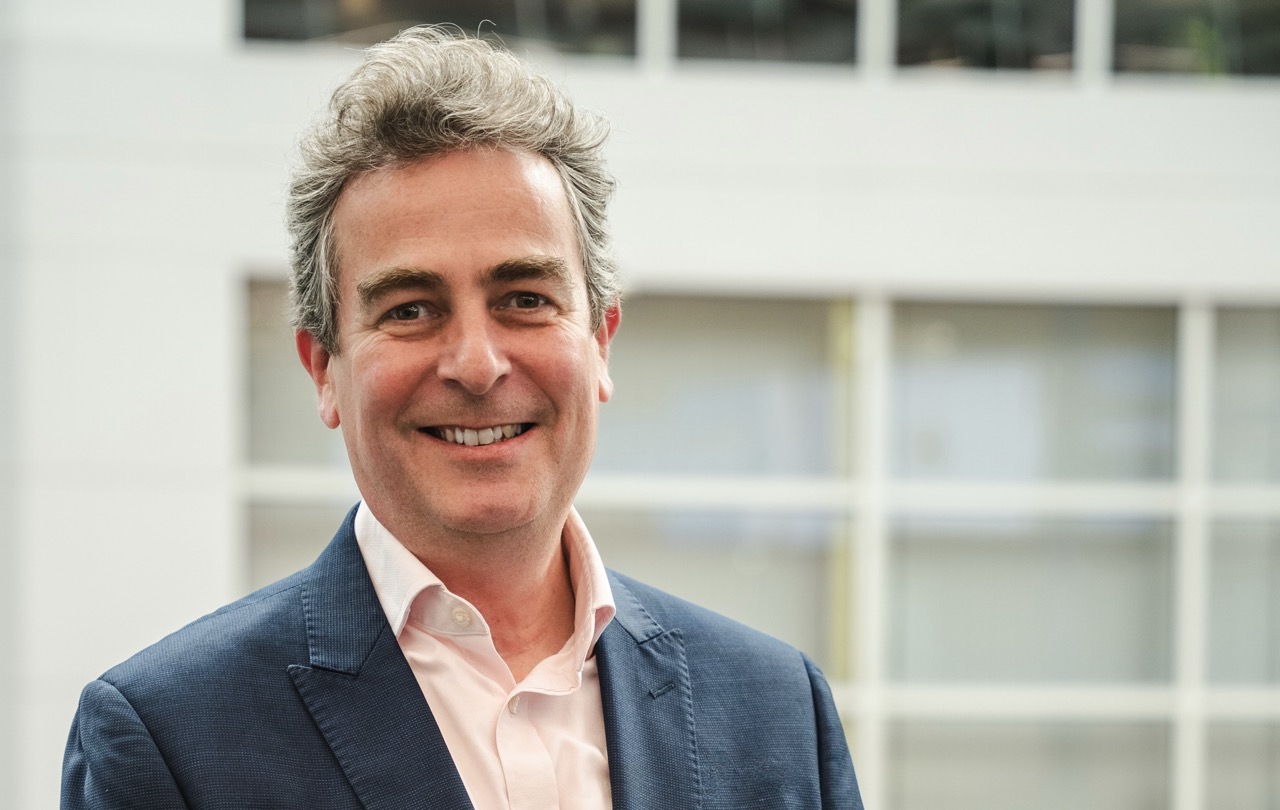
Founded in 2001, the Oxford MND Centre at Oxford University Hospitals has grown into one of the United Kingdom’s leading hubs for motor neuron disease (MND) research and patient care. We spoke with Professor Martin Turner, consultant neurologist and researcher at the Oxford MND Centre, to learn more about the centre’s history, team, and ongoing projects.
Based at the John Radcliffe Hospital, in partnership with Oxford University’s Nuffield Department of Clinical Neurosciences, the centre is one of the largest UK tertiary referral centres for ALS and other motor neuron disorders. It combines multidisciplinary clinical care with an integrated and broad portfolio of research and clinical trial engagement, from cell biology to brain networks.
A centre built on collaboration and care
“The Oxford MND Centre was founded in 2001 by Professor Kevin Talbot,” says Martin. “Kevin was then a newly-qualified consultant neurologist who realised that the care of MND patients had to be improved. He set up a dedicated clinic, also integrating clinical trials.”
The Oxford MND Centre established that year is now run by two consultant neurologists, Professor Martin Turner and Associate Professor Alexander Thompson. The clinic’s multidisciplinary team coordinator is Phillippa Sharpe who is an experienced Occupational Therapist. She is supported by MND Specialist Nurse Jess Agalawatte, Psychologist Rachel Woolrich and Administrator Hayley Pill, working closely with respiratory and gastroenterology colleagues and a strong trials coordination team.
Oxford is one of the UK’s busiest MND centres, providing a diagnostic service for more than 130 referrals annually and regular multidisciplinary care for more than 250 people living with MND. “We try to keep at least one major clinical trial open for our patients at all times, alongside biomarker discovery research”, says Martin.
Bringing research into the clinic
Martin joined the centre in 2008 after completing his PhD at Kings College London with Professor Nigel Leigh. “I met Kevin at the MND Symposium in Milan back in 2003”, he recalls. “He invited me to join the clinic after completing my neurology training in Oxford, and we’ve been working together ever since.”
Martin was a pioneer of the routine integration of research with patient care. “One of my early initiatives was ‘BioMOx’, launched in 2009. It was a longitudinal biomarker study where I regularly followed patients, collecting blood, spinal fluid, and MRI data. It was quite a new idea at the time, to systematically combine clinical care with biomarker collection.”
This model has since inspired similar approaches across the UK and Europe. “The study’s success showed that you could run high-quality research in parallel with patient care. It’s now become standard practice.”
From neuron to network
Oxford’s strength lies in its diverse scientific environment. “It’s a wonderful place to do research”, says Martin. “We collaborate with some of the world’s best scientists, from molecular biologists to imaging experts. Together, we study the disease from the cellular level all the way to brain: from the neuron to the network.”
His own research focus over the past 25 years has been the development of human biomarkers to accelerate therapy discovery in ALS. In recent years the group has expanded into proteomics and extracellular vesicles led by Associate Professor Alexander Thompson. “It’s a natural progression as technology evolves and we learn more about ALS biology.”
The research group spans basic science, biochemical and neuroimaging biomarker development, and epidemiology, and has participated in multiple international multi-centre clinical trials. Oxford has a strong track record in high-impact publications and a firm commitment to training and education.
Leading large-scale trials and collaborations
The Oxford team plays a key role in EXPERTS-ALS (EXPErimental medicine Route To Success in ALS), a biomarker-led drug screening platform conceived by Martin from his work on neurofilament light chain, and built in partnership with Professor Chris McDermott at the University of Sheffield. It’s a national collaboration among more than 12 UK centres and funded by the National Institute for Health and Care Research (NIHR). “The idea is to build a continuous pipeline where, after diagnosis, patients can help us screen potential drug therapies to see which ones should be prioritised for the larger trials. It could become the new model for how we initially test candidate MND treatments and potentially also combinations of effective drugs.”
Looking toward the future
Looking ahead, Martin is particularly interested in studies of those at higher genetic risk of MND. “We’ve been routinely offering genetic testing since around 2017, which has helped us identify and follow families carrying MDN-related risk factors like the C9orf72 gene expansion. Our ongoing project, ACORN, is building a large UK-wide ‘trial-ready’ and biomarker discovery cohort of such family members. The ultimate goal is to be ready for an era of prevention trials. That is the dream.”